Background
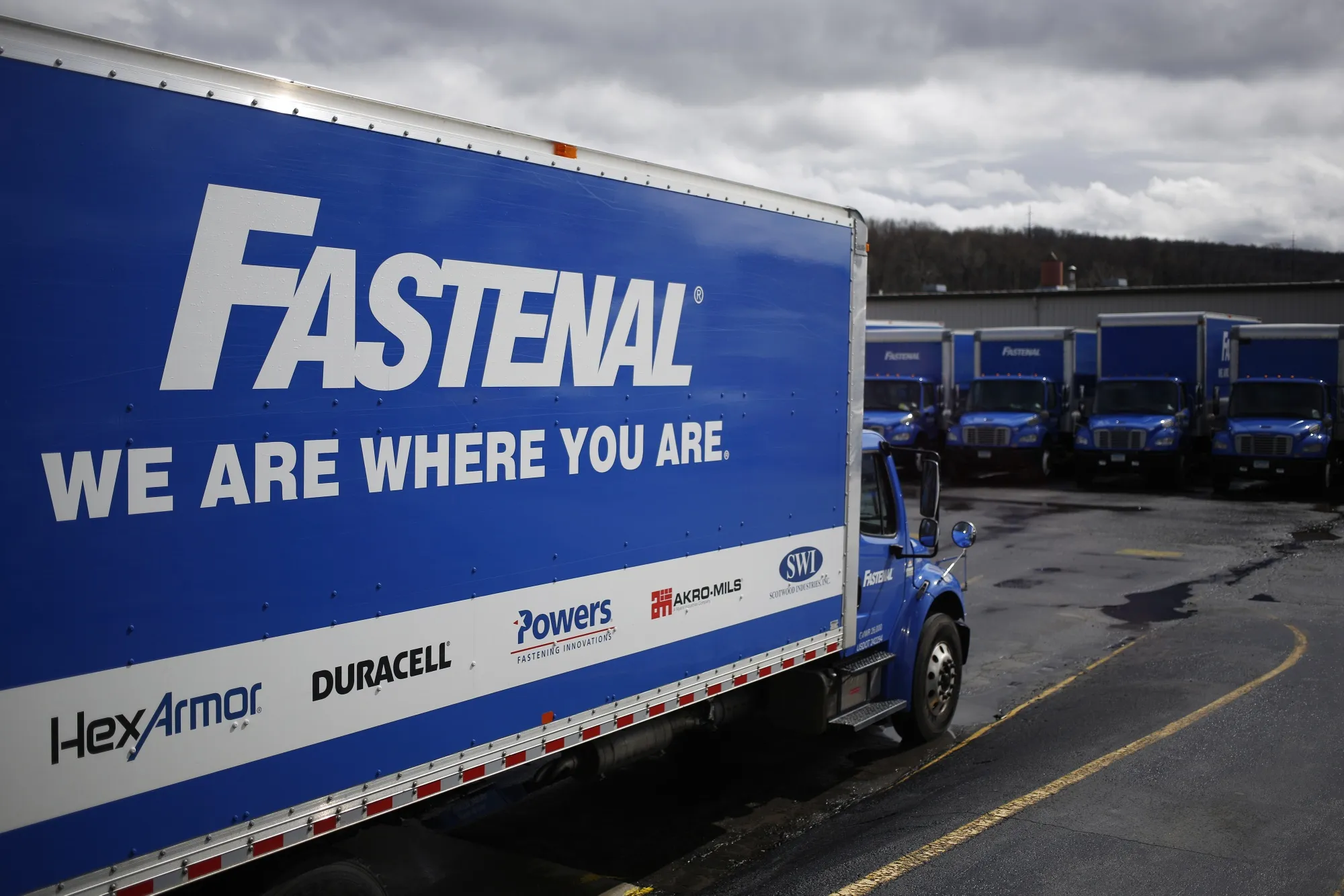
As part of my Professional Sales course, I conducted a live B2B sales role play simulating a discovery call with Monarch Office Interiors. The scenario: introduce Fastenal's industrial vending solution to an operations manager facing inventory control issues, build rapport, uncover pain points, and close for an ROI meeting.
The twist? A Sherwin-Williams recruiter observed and evaluated the call in real-time, adding pressure to perform like it was an actual sales pitch.
Core problem
Monarch was experiencing costly stockouts that shut down production lines, employees were hoarding MRO supplies, and the company needed clean financials before a planned sale in 12 months. My job was to connect these pain points to Fastenal's vending solution and secure a follow-up meeting with the decision-maker.
I prepared by studying the prospect's background, building a discovery script, and practicing with AI simulation tools (ChatGPT's voice mode) to refine my pacing and responses.
During the call, I:
Built rapport by finding common ground (we were both NIU alumni) and acknowledging their recent promotion
Asked open-ended questions to uncover purchasing processes and inventory pain points
Handled three objections on the spot: employee resistance to change, stockout guarantees, and cost concerns
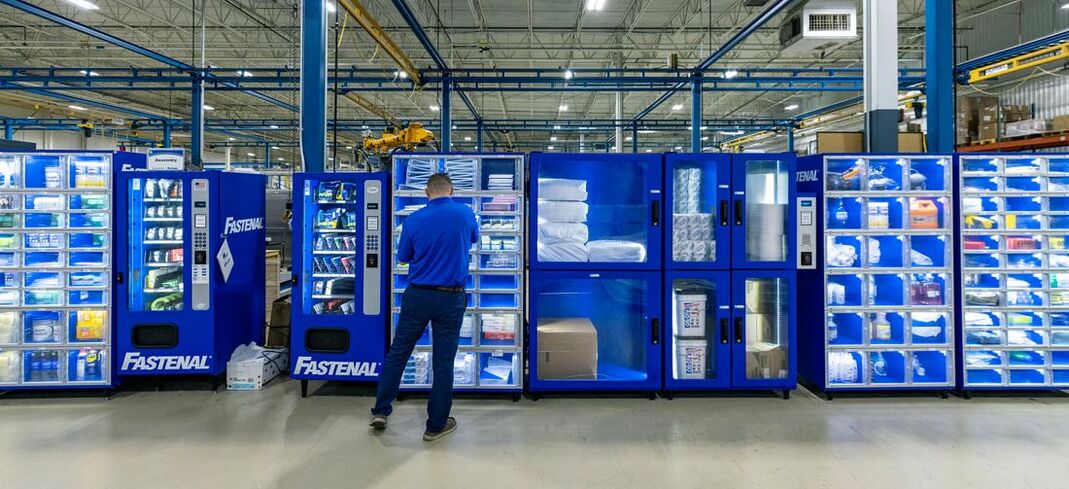
Tied Monarch's needs directly to Fastenal's value proposition (24/7 access, automated restocking, clean usage data for the sale)
Closed for a follow-up ROI meeting (though I had to pivot when the prospect wanted to check with their boss first)
Key techniques applied:
Active listening instead of script-reading
Rephrasing questions to confirm understanding
Quantifying impact ($78,000/year in mask waste alone)
Positioning the vending machine as an investment, not a cost
Results and Impact
Closed the deal. During the in-person solution sales meeting, I successfully sold 3 Fastenal vending machines to Monarch Office Interiors by presenting a clear ROI case: $78,000/year in waste reduction for just $480/year per machine.
Key to closing:
Quantified the financial impact in terms the plant manager cared about (preparing for the company sale)
Addressed cost objections by reframing the machine fee as an investment that pays for itself with every prevented production shutdown
Positioned Fastenal as a solutions partner, not just a supplier
What I learned: People don't buy features—they buy solutions to their problems. The technical details mattered less than showing Taylor Green how vending machines would make Monarch more valuable before the sale.